In some ways the book is a journey through grief and that was emotionally difficult. I also knew very little about trauma and the ways in which trauma in one generation passes on to the next.
Margaret Whitford – 6 June 2026
The Back Flap
When Margaret Whitford’s mother was dying, she told those present that her daughter “had her history.” This was true; Margaret had conducted interviews with her mother during the last decade of her life. But this didn’t end their estrangement, and Margaret chose not to return to her mother’s side during her final days.
About the book
What is the book about?
I did not return to my mother’s side during her final days. In this memoir, I come to terms with that decision by unearthing in my mother’s traumatic history the roots of the emotional distance between us. I explore how a history marked by the devastation of World War II in Europe, a violent childhood home, and sexual assault accumulated into complex PTSD that shaped my mother and the way she parented me as her firstborn and as a daughter.
Ultimately, The History We Carry confronts the legacy of intergenerational trauma, revealing how familial history shapes each of us but need not be wholly determinative of whom we become and how we choose to live.
When did you start writing the book?
I realized that I was writing a book, rather than an essay, in summer of 2016.
How long did it take you to write it?
Approximately five years for a complete draft of the memoir.
Where did you get the idea from?
The idea for the memoir emerged in a 2016 workshop with Sue William Silverman. She suggested that the very dense essay I’d written contained multiple essays, even a book. I started thinking about a book-length project then.
Were there any parts of the book where you struggled?
In some ways the book is a journey through grief and that was emotionally difficult. I also knew very little about trauma and the ways in which trauma in one generation passes on to the next.
What came easily?
Writing is challenging so that it’s difficult to identify anything that came easily. That said, it was easier for me to explore my mother’s life in Latvia and Austria during the Second World War. In my efforts to bring her stories of the war to life, I could focus entirely on her.
Are your characters entirely fictitious or have you borrowed from real world people you know?
My characters are real people, though I have changed their names in some cases.
We all know how important it is for writers to read. Are there any particular authors that have influenced how you write and, if so, how have they influenced you?
From Sue William Silverman I learned about how to use sensory details in scene development to reveal the narrator’s interiority. Lee Martin’s work reminds me to consider the unique characters of the places we inhabit. Andre Dubus III inspired me to ask myself the most difficult questions when writing memoir, especially about myself.
Do you have a target reader?
I do not have a target reader in mind when I am developing the material. Now that my memoir is complete, I believe my most likely reader is female and someone interested in exploring complex familial relationships. Her age is not a defining characteristic, though it is expected that she has achieved a level of maturity that can only come from experience.
About Writing
Do you have a writing process? If so can you please describe it?
I do not have a specific writing process, other than to write on a daily basis in a journal. That effort is as much for my own peace of mind as anything else. When I am working on a specific writing project, I engage with it on a daily basis as much as possible to keep the ideas fresh and to allow my subconscious to work even when I am not.
Do you outline? If so, do you do so extensively or just chapter headings and a couple of sentences?
I do not use an outline. I did find that for this memoir, chapter titles were very important. Once I had the right title, it became the lens through which I explored the material.
Do you edit as you go or wait until you’ve finished?
I do both. I edit as I go and then edit again multiple times once I have finished the entire work.
Do you listen to music while you write? If yes, what gets the fingers tapping?
No. I prefer silence when I write.
About Publishing
Did you submit your work to Agents?
I submitted to a few but without success. I abandoned that effort early on in my journey toward publishing the memoir.
What made you decide to go Indie, whether self-publishing or with an indie publisher? Was it a particular event or a gradual process?
I decided to work with She Writes Press (SWP), a hybrid publisher, because of their demonstrated expertise and their expressed enthusiasm about the book. I felt I would have a partner invested in the book’s success.
Did you get your book cover professionally done or did you do it yourself?
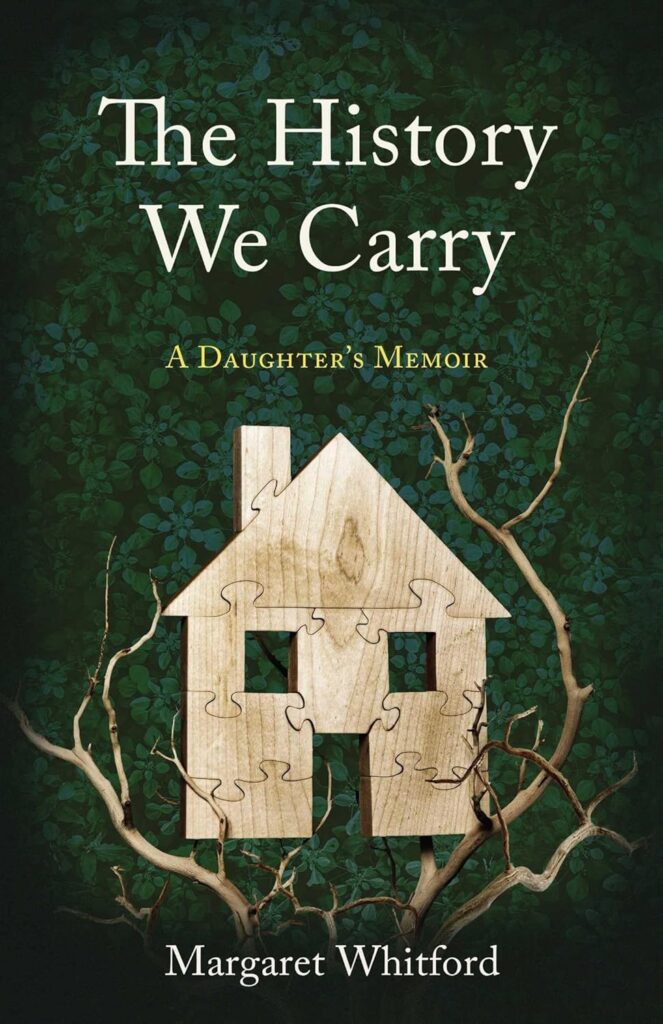
SWP designed the cover based on the cover memo I provided.
Do you have a marketing plan for the book or are you just winging it?
I have a marketing plan and am working with both a digital marketing professional as well as a publicist.
Any advice that you would like to give to other newbies considering becoming Indie authors?
Believe in yourself and believe in the book you are writing. And do not be discouraged, as finding the right publisher takes time.
About You
Where did you grow up?
I grew up in Philadelphia, Pennsylvania.
Where do you live now?
I live in Concord, Massachusetts but spend part of the year in France.
What would you like readers to know about you?
Writing is, for me, a way to make myself more attentive to experience. I do not live to write; I write in order to live as fully as possible.
In addition to writing, I am a dedicated Francophile.
What are you working on now?
I am in the early stages of writing a book about my husband’s and my experiences with the United States Peace Corps in Kenya.
End of Interview:
For more from Margaret Whitford visit her website and follow her Facebook page.
Get your copy of The History We Carry from Amazon US.