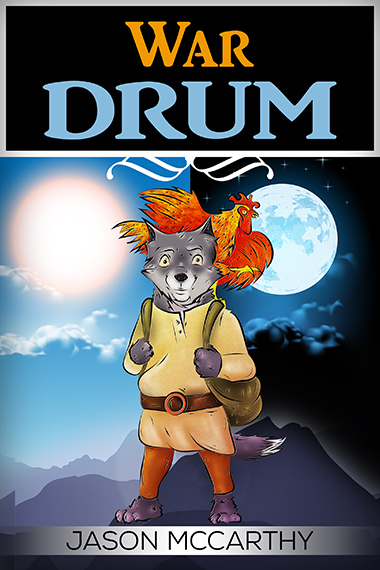
I grew tired of waiting for others to fulfill my dreams for me. Sometimes you’ve just got to take life into your own hands.
Jason McCarthy – 9 March 2017 Continue reading

I grew tired of waiting for others to fulfill my dreams for me. Sometimes you’ve just got to take life into your own hands.
Jason McCarthy – 9 March 2017 Continue reading
Comments Off on IndieView with Jason McCarthy, author of War Drum
Posted in Indieview author, Interviews
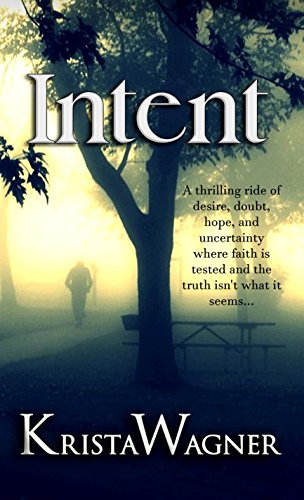
I expected mostly young female adults to like the story, but my audience turned out to be children in their young teens through adults in their sixties, both male and female, both Christian and non-Christian, of all kinds of backgrounds.
Krista Wagner – 7 March 2017
Trying to deal with small town life and feeling that she has no real purpose, Raylee Johnson finds a new source of confidence when her former high school crush returns to town. When she begins to feel better about the direction her life is going, Raylee is thrust into a maze of doubt, uncertainty, murder, and deceit where the only thing she does know for sure is that her life is engulfed in lies.
When did you start writing the book?
In 2013. My final class for the MFA in Creative Writing program required me to create a full-length movie script. So, Intent started out as a movie and over the summer I turned it into a full-length novel.
How long did it take you to write it?
Since I already had the template from the film all written out, filling in some narrative was left for the novel version. On a family cross-country road trip, it took me two weeks to write out the novel.
Where did you get the idea from?
This one came under pressure. I had 4 weeks to write a complete screenplay, so I had to figure it out relatively quickly. Unlike some of my other stories, these characters and the plot came upon me in a delightfully spontaneous way.
Were there any parts of the book where you struggled?
Since mystery plays into Raylee’s realm, I had to find ways for pieces of the puzzle to logically come together and ways to make the villain not obscure.
What came easily?
Writing the villain. Evil is easy to illuminate once it’s revealed.
Are your characters entirely fictitious or have you borrowed from real world people you know?
Little bits of them do come from people I have known, but for the most part, they are fictitious.
We all know how important it is for writers to read. Are there any particular authors that have influenced how you write and, if so, how have they influenced you?
Dean Koontz, by far, has influenced me the most. Many of his novels are thrillers written in a rich complex style with deeply disturbing villains and realistic heroines. Christopher Pike also majorly influenced me through his simple yet amazingly written teens and intricately designed plots.
Do you have a target reader?
Indeed. My stories deal with issues that anyone, regardless of gender, age, or beliefs, can relate to. Intent, for instance, contains issues of doubt, hope, faith, loss of faith, desire, fear. I expected mostly young female adults to like the story, but my audience turned out to be children in their young teens through adults in their sixties, both male and female, both Christian and non-Christian, of all kinds of backgrounds.
Do you have a writing process? If so can you please describe it?
I write when it’s late at night (I’m a night owl), when the kids are asleep and I’m not going to be interrupted. A Pepsi at my fingertips helps too.
Do you outline? If so, do you do so extensively or just chapter headings and a couple of sentences?
I do not outline. I find that the story comes to me as a nice surprise sometimes and once I start writing, it continues to beautifully unravel, without a set outline, just naturally and mysteriously.
Do you edit as you go or wait until you’ve finished?
I wait until I have finished writing the story, though if I change something (like a date or a person’s identity) I will go back to make sure other places rhyme. I also have learned that it’s best to do the technical things after the story is done in order to avoid tripping up its pace.
Do you listen to music while you write? If yes, what gets the fingers tapping?
Sometimes. But usually what gets the story told are the characters coming to life. I put them in a situation where I discover more about who they are. Circumstances and conversations reveal more and more of how they will handle life in those moments.
Did you submit your work to Agents?
At first, yes, but it was only the publishers who expressed interest.
What made you decide to go Indie, whether self-publishing or with an indie publisher?
It wasn’t really a choice, it was just that the small presses were the only ones who responded.
Was it a particular event or a gradual process?
It took some months to hear back from anyone with my first novel. But when I started querying about my middle-grade fantasy The Gold, I received a response from another small press within a month.
Did you get your book cover professionally done or did you do it yourself?
TouchPoint Press let me decide on the cover. I chose the covers for my two self-pubs, indigo and Rian Field and CleanReads had a professional graphic designer create the cover for The Gold.
Do you have a marketing plan for the book or are you just winging it?
I have done a ton of marketing for all of my books with social media advertising, interviews, book signings, giveaways, and more.
Any advice that you would like to give to other newbies considering becoming Indie authors?
You are literally one of millions, so be strong, be brave, and endure the murky waters.
Where did you grow up?
San Bernardino
Where do you live now?
San Bernardino
What would you like readers to know about you?
I have been an English Professor for the past decade, I have three amazing kids and an awesome Marine Corp veteran for a husband, and the Bible anchors me every step of the way.
End of Interview:
For more from Krista, visit her website, follow her on Twitter, or like her Facebook page.
Comments Off on IndieView with Krista Wagner, author of Intent
Posted in Indieview author, Interviews
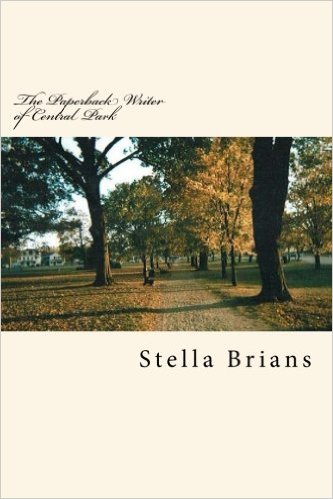
It found peace in New York City in a very ethereal way. Many of my feelings and memories about New York City during that time are kept in my novel as a sort of time capsule.
Stella Brians – 4 March 2017
Book One in The Hidden World of Wysteria Series
Elizabeth is homeless in New York City, sleeping in hostels when she can and barely surviving. Writing her novel keeps her going, and when it is published her life changes forever. Along with her Brit Punk friend Sarah, she starts a writer’s group for other indie writers. It is in that group that she meets River, a New Age hippie in whom she finds true love and a kindred spirit. The couple face both joy and tragedy in the city that never sleeps, before moving to a cottage in Mystic Connecticut to start a new life together. It is behind a bookcase in their attic that they discover the hidden world of Wysteria.
What is the book about?
The Paperback Writer of Central Park is about a young author who goes from being homeless in New York City to leading a group of indie authors towards their dreams. My book is also about her love and connection with River, a kindred spirit who relates to her when most of the world does not. It is about their friendship with British punk Sarah, and their shared love of New York City. My novel is also about nature, and their eventual discovery of Wysteria, a New Age afterlife. The Paperback Writer of Central Park is the first volume in my Hidden World of Wysteria Series.
When did you start writing the book?
I began writing The Paperback Writer of Central Park in 2015.
How long did it take you to write it?
It took about three drafts and a year and a half.
Where did you get the idea from?
In 2009, I took a trip to New York City and stayed for a while in hostels. It was a very freeing experience, and most of the time I stayed in the upper West side of Manhattan. I would spend my days writing in a journal, taking walks, and visiting the Saint John the Divine Cathedral. Aside from the enormous and striking cathedral, I will note three peculiarities that interest me to this day about the cathedral. A very unusual fountain known as The Peace Fountain sits to the side of the cathedral. It is sculpted to depict the conflicts of good and evil. Angelic white peacocks stroll the grounds, and beyond the fountain is a children’s garden. I mention this because of the spiritual and New Age content of the books in my Hidden World of Wysteria Series.
It found peace in New York City in a very ethereal way. Many of my feelings and memories about New York City during that time are kept in my novel as a sort of time capsule.
In my novel, the main character Elizabeth befriends a punk rocker from England. Her name is Sarah, and was the one character I based almost completely on fact.
We met in the first hostel I stayed at, and we became friends. What I remember most about her is that she loved the Sex Pistols, and this movie Suburbia (1983.) She was such a sweet and fun person to hang out with. We lost touch after awhile, but I hope to find her again someday.
Other elements of my life that inspired The Paperback Writer of Central Park was growing up in beautiful New England, and being enchanted by rain and the poetic side of nature. Many of my New Age beliefs also inspired the book as well.
Were there any parts of the book where you struggled?
I think I struggled most in the very early stages with the plot and characters. Originally, The Paperback Writer was supposed to be a short story.
What came easily?
Once I worked through and rewrote weak elements of the story, I decided to make it into a novel. From there, the rest fell into place. After that, it became the first novel in a Metaphysical Fantasy series.
Are your characters entirely fictitious or have you borrowed from real world people you know?
All of the characters are fictional except for Sarah. Many are inspired by real people, or people I have observed or met. When you are a writer, it is helpful to people watch and to get ideas that way.
We all know how important it is for writers to read. Are there any particular authors that have influenced how you write and, if so, how have they influenced you?
My father is an author as well, and he influenced how I write in the sense that I remember to constantly improve, and to write the truth with class. Other than that, I would say that Laura Whitcomb’s style heavily influenced me. I loved her romantic, dream like tone in A Certain Slant of Light.
Do you have a target reader?
My target audience is 15—100. There are adult elements in my novels, but they are written with a gentle whimsical tone that I feel would engage a wide range of readers.
Do you have a writing process? If so can you please describe it?
I tend to jot down ideas in a notebook or on my computer, and from there I do character and plot sketches. I sketch my characters too, and try to get into the environment that surrounds them. However, I do not plan too much as I am a discovery writer.
Do you outline? If so, do you do so extensively or just chapter headings and a couple of sentences?
I outline briefly, just enough to know where I am going. I leave the rest to creativity.
Do you edit as you go or wait until you’ve finished?
I edit as I go, and once finished I print the manuscript out and edit it long-hand. I feel that it is more genuine that way, and it works well for my thinking process. I want to make my novels the best they can be.
Did you hire a professional editor?
I write, edit, design the cover, and any art that goes along with it.
Do you listen to music while you write? If yes, what gets the fingers tapping?
I love to listen to New Age music while I write, or soft rock. Notable albums that have helped me write are: Deep Breakfast by Ray Lynch, and Everyone Else is Doing it, So Why Can’t We? by The Cranberries.
Did you submit your work to Agents?
I sent The Paperback Writer of Central Park to a few, but I am passionate about self-publishing. I felt that due to the unique nature of my work and the integrity of it, self-publishing was right for me.
What made you decide to go Indie, whether self-publishing or with an indie publisher? Was it a particular event or a gradual process?
Deciding to self-publish was a gradual process, because I wanted to give traditional publishing a fair chance. As months went by, I did an enormous amount of research on the publishing world, and even did a college paper on self-publishing. Ultimately, I chose self-publishing because I could keep the rights to my work, and be as creative as I wanted to be. I am a very independent soul, and I would have trouble with a publisher stepping on my toes. It is important for me to create uninhibited, while producing honest work that I hope people will love as much as I do.
Did you get your book cover professionally done or did you do it yourself?
I always do my own covers, and the art is my own save for the photograph of the Avery Point Lighthouse that is on the cover of Wysteria (Volume Two in my series). That was taken by my mother, and she did a fantastic job.
The photograph on the cover of The Paperback Writer of Central Park was an old shot that I had taken from a disposable camera when I lived in Colchester, Connecticut. It worked perfectly for the book.
I am going a different creative route with the third book in the series, as I will be illustrating the cover and providing some interior drawings as well.
Do you have a marketing plan for the book or are you just winging it?
As a new indie author, I am discovering what works best, and what does not.
Any advice that you would like to give to other newbies considering becoming Indie authors?
I would like to suggest that you do as much research as you can. Taking writing workshops can be very helpful. Always make sure that you can keep the rights to your own work, and be as creative as you want to be. This is so important.
It is vital that you advocate for yourself as an indie author. Hang up flyers where you can, ask bookstores if they would be interested in selling your book, politely ask for interviews from online blogs and magazines. Always be creative, kind, and professional.
A website I suggest is Scribophile, it is a wonderfully supportive online writing group.
I would also like to suggest The Fiction Writer’s Handbook, by Anthony Maulucci. It is a very helpful guide that I have used in the past.
Where did you grow up?
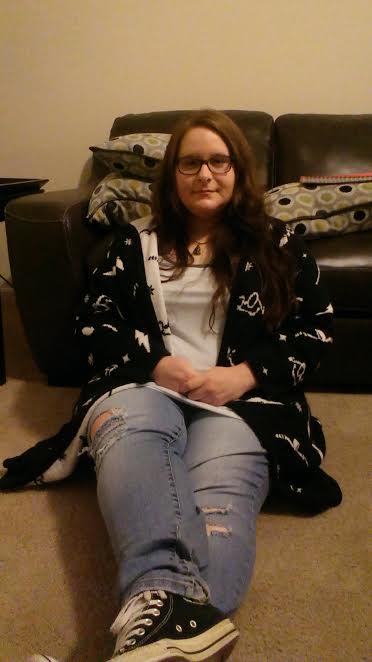
I grew up in Connecticut. I was born in Hartford, but my family moved to Norwich in the early nineties. Norwich is a historic little town, and has inspired my Hidden World of Wysteria Series on different levels. I am an alumnus of Norwich Free Academy in Connecticut.
What would you like readers to know about you?
I love to write, read, and sketch. Some of my favorite bands are The Beatles, Iron Maiden, My Chemical Romance, and The Cure. My favorite thing in the world is to spend time with my soulmate, Clint.
What are you working on now?
I am working on the third volume in my Hidden World of Wysteria Series.
End of Interview:
For more from Stella, visit her website, her Tumblr page, or follow her on Twitter.
Get your copy of The Paperback Writer of Central Park from Amazon US or Amazon UK.
Comments Off on IndieView with Stella Brians, author of The Paperback Writer of Central Park
Posted in Indieview author, Interviews
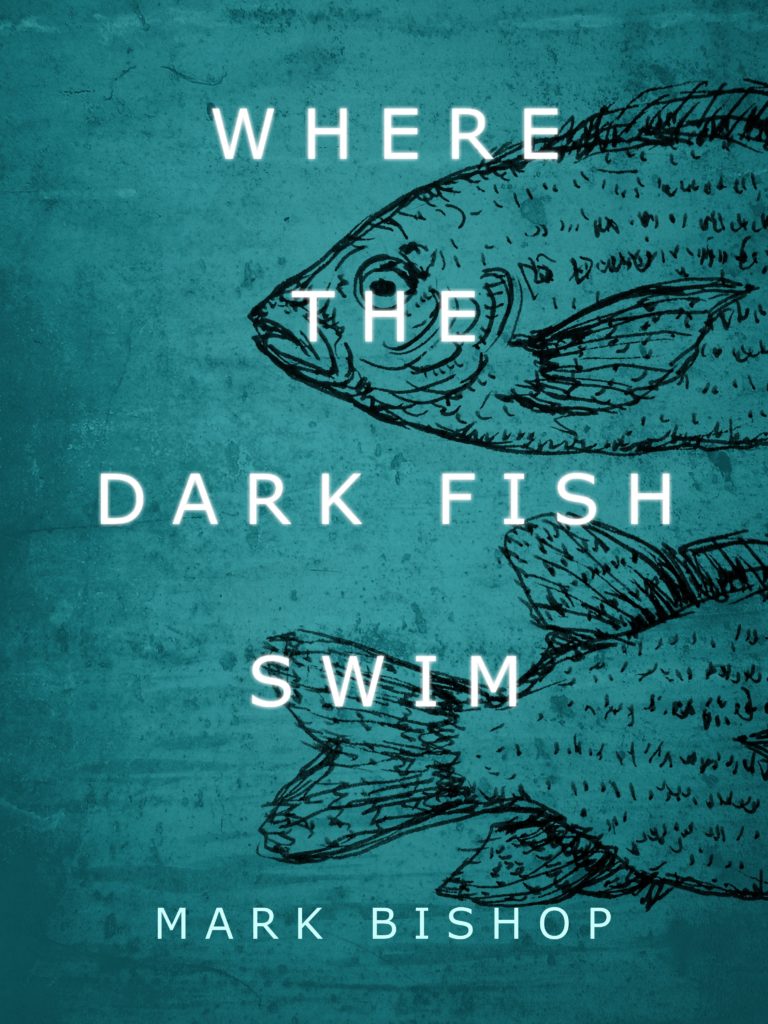
Someone I know asked me a great question when we were talking about it all. He asked if I wanted to make money out of it or for people to read my work.
Mark Bishop – 2 March 2017 Continue reading
Comments Off on IndieView with Mark Bishop, author of Where the Dark Fish Swim
Posted in Indieview author, Interviews
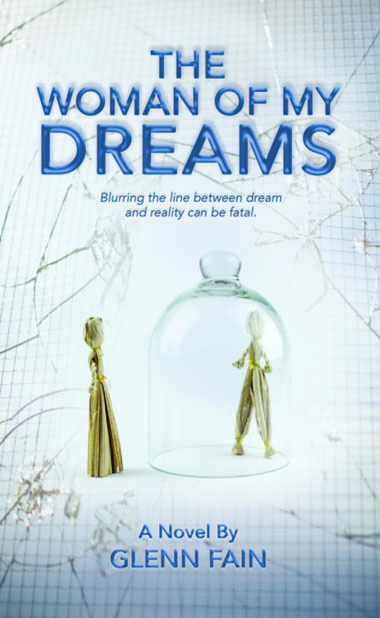
He taught me that serious novels don’t have to be limited to this straight reality we perceive through our senses, that we can go crazy and have talking cats and strange sheep-like creatures in our books if we want to, and all is well.
Glenn Fain – 28 February 2017 Continue reading
Comments Off on IndieView with Glenn Fain, author of The Woman of My Dreams
Posted in Indieview author, Interviews

As a person that reads every day, I don’t get how someone can tell me they don’t like to read or they can’t find the time to read.
Lisa A – 27 February 2017 Continue reading
Comments Off on Reviewer Indieview with Lisa A of Lisa A Writes and Reads
Posted in Interview Reviewer, Interviews
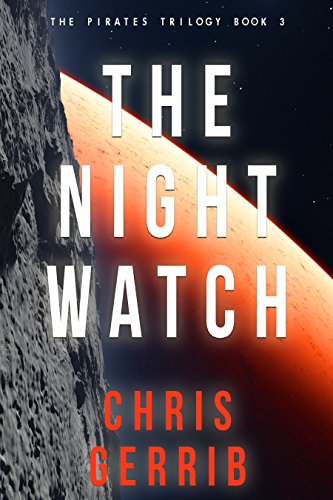
Writing is an art, publishing is a business. Never confuse the two.
Chris Gerrib – 25 February 2017 Continue reading
Comments Off on IndieView with Chris Gerrib, author of The Night Watch
Posted in Indieview author, Interviews
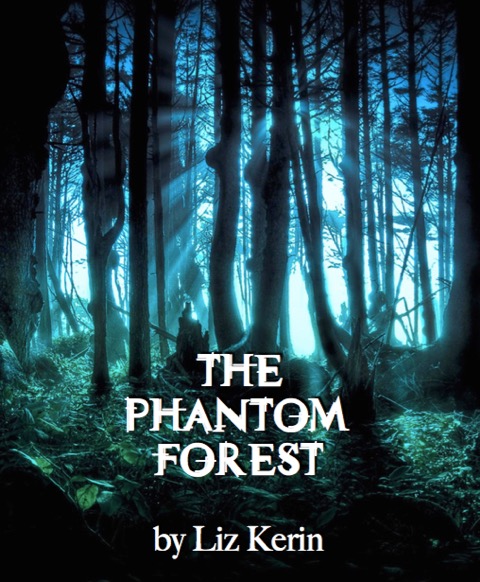
I’d say my target reader is an adventurous, imaginative young adult who’s on the cusp of forming their own opinions of the world around them. This person is a seeker after knowledge who wants to explore and ask questions.
Liz Kerin – 23 February 2017 Continue reading
Comments Off on IndieView with Liz Kerin, author of The Phantom Forest
Posted in Indieview author, Interviews

That’s why I think independent reviews sites have become more and more popular over recent years. It would also explain the success of social network sites focusing on books, like GoodReads for example …
Mark – 21 February 2017 Continue reading
Comments Off on Reviewer IndieView with Mark from Sinfully Gay Romance Book Reviews
Posted in Interview Reviewer, Interviews

My target audience is anyone who likes science fiction, young adult, dystopia, pop culture references, or really bad puns. That being said, I found an audience in an unexpected place…
Lucy Mihajlich – 21 February 2017
It’s 2048, and Big Brother is binge watching.
The future always seemed bright, but it turns out that was just global warming. Meals don’t come in pills, shoes don’t lace themselves, and there are flying cars, but the gas mileage sucks. There is one difference. People have always searched the internet for answers. Now they actually worship it.
Pen Nowen’s father was the founder of Interface, a computer company so big and powerful that people began praying to it. Especially when his death almost tanked the economy.
Seven years later, Pen’s just finished her junior year of high school. For their summer vacations, all of her friends are going to Disneyland, Tijuana, or Disneyland Tijuana, but Pen’s going on a pilgrimage to pray for what’s left of her family. She’s on her way to the Interface flagship store when she gets kidnapped.
It’s the second time this year. She’s about to begin the ransom negotiations when the kidnapper says that he doesn’t want money. He wants something else from her. Before Pen can text 911, he says something even creepier.
He knows the truth about her dad’s death.
About the book
What is the book about?
Interface is a young adult science fiction novel set in 2048. Not much has changed, except that people worship a computer company called Interface. Pen Nowen is the founder’s daughter. She’s a perfectly normal rich, famous, teenage girl until she gets kidnapped by hacktivists.
When did you start writing the book?
I began writing the Interface Series right after my senior year of college.
How long did it take you to write it?
It took me five years to complete all three books.
Where did you get the idea from?
I love books like The Hunger Games and The Maze Runner, but I always wanted to know how we let things get that bad. Interface is the bridge between real life and dystopian fiction. It’s set in a world where we still have a democratic republic, but the president is elected by winning a reality TV show.
Were there any parts of the book where you struggled?
I struggled with world-building, because it meant keeping up with current and emerging technologies, pop culture, and politics. At one point, I had to rewrite a scene because Leonardo DiCaprio finally won an Oscar.
What came easily?
Research came easily for me. I ended up writing a book series that involved neurosurgery, IP spoofing, and the future of chocolate. I knew nothing about any of these things, but one of the reason I love stories is because they can be educational for the writer just as much as they can be educational for the reader.
Are your characters entirely fictitious or have you borrowed from real world people you know?
Interface is a dystopia, so there’s one character in the later books who might be a little bit inspired by Donald Trump.
We all know how important it is for writers to read. Are there any particular authors that have influenced how you write and, if so, how have they influenced you?
My favorite authors are Oscar Wilde, Mary Shelley, Terry Pratchett, Ernest Cline, Cory Doctorow, Andy Weir, and approximately three thousand and eighty-two others.
Do you have a target reader?
My target audience is anyone who likes science fiction, young adult, dystopia, pop culture references, or really bad puns. That being said, I found an audience in an unexpected place.
Interface has an asexual protagonist. When I started marketing my book, the response from the asexual community was overwhelming. There’s very little asexual representation in modern literature, including young adult fiction. It’s hard enough for LGBTQA kids to come to terms with their sexual identity when they’ve actually heard of it, but most adults don’t even know what asexuality is (people who aren’t interested in sex).
About Writing
Do you have a writing process? If so can you please describe it?
Kelly Sue DeConnick, who writes the Hulk for Marvel, came to speak at a comic book class I took during my senior year of college. She said she likes to write in the morning, before her inner editor has a chance to wake up. I wrote most of Interface between 5:00 AM and 7:00 AM.
Do you outline? If so, do you do so extensively or just chapter headings and a couple of sentences?
Another class I took in college was screenwriting. The professor described the writing process in terms of the Tree Method (detailed outline) or the Forest Method (wing it). I use the Leaf Method. I have glossaries, outlines, revision notes, setting floorplans, character guides, and color-coded timelines.
Do you edit as you go or wait until you’ve finished?
I wait until I’m finished or I would never finish.
Did you hire a professional editor?
I hired the incredible David Brookes of St. Paul’s Literary Service to edit Interface. He’s a writer too, so he’s been on both sides of the Google Doc.
Do you listen to music while you write? If yes, what gets the fingers tapping?
Lyrics distract me, so I listen to either classical instrumental music or screamo.
About Publishing
Did you submit your work to Agents?
I originally planned to publish Interface traditionally. I was a first-time author, so I didn’t expect much when I began querying agents, but after a few months, I received an offer of representation from an international literary agency.
What made you decide to go Indie, whether self-publishing or with an indie publisher? Was it a particular event or a gradual process?
My agent asked me to make Interface a romance, because she said it was “crucial to the plot.” When I refused, the offer was withdrawn. I decided to try my luck on Kickstarter.
I came to Kickstarter as a first-time author, without any platform, audience, or clue. I was lucky enough to publish an article about asexuality in Portland’s Bitch Magazine. A lot of people found my Kickstarter through the article, and Interface was 122% funded.
Did you get your book cover professionally done or did you do it yourself?
I had delusions of grandeur and queried John Holcroft about his commission prices. He’s done work for the BBC and the New York Times, so I should have known he was out of my league, but I’ve always loved his art, and he was generous enough to offer me a piece for my cover.
Do you have a marketing plan for the book or are you just winging it?
Winging, but more like crashing and burning.
Any advice that you would like to give to other newbies considering becoming Indie authors?
Stay out of my way (just kidding).
About You
Where did you grow up?
I grew up in Astoria, Oregon, and moved to New York for college.
Where do you live now?
Portland, Oregon.
What would you like readers to know about you?
Nothing. I have to maintain my air of mystery.
What are you working on now?
Editing the second and third books of the Interface Series.
End of Interview:
For more from Lucy visit her website.
Posted in Indieview author, Interviews