Category Archives: Indieview author

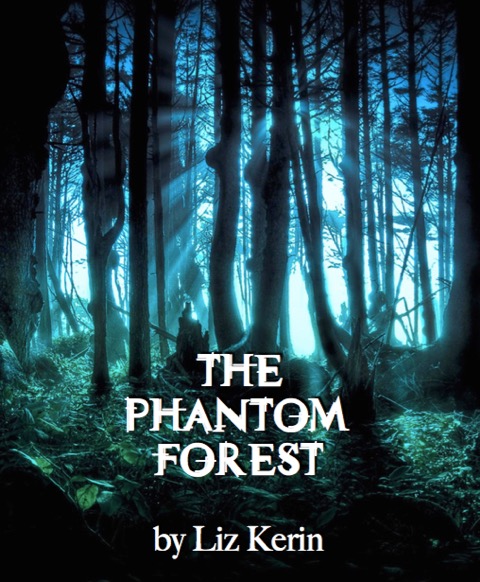
IndieView with Liz Kerin, author of The Phantom Forest

I’d say my target reader is an adventurous, imaginative young adult who’s on the cusp of forming their own opinions of the world around them. This person is a seeker after knowledge who wants to explore and ask questions. 

Liz Kerin – 23 February 2017 Continue reading

IndieView with Lucy Mihajlich, author of Interface

My target audience is anyone who likes science fiction, young adult, dystopia, pop culture references, or really bad puns. That being said, I found an audience in an unexpected place…

Lucy Mihajlich – 21 February 2017

The Back Flap

It’s 2048, and Big Brother is binge watching.

The future always seemed bright, but it turns out that was just global warming. Meals don’t come in pills, shoes don’t lace themselves, and there are flying cars, but the gas mileage sucks. There is one difference. People have always searched the internet for answers. Now they actually worship it.

Pen Nowen’s father was the founder of Interface, a computer company so big and powerful that people began praying to it. Especially when his death almost tanked the economy.

Seven years later, Pen’s just finished her junior year of high school. For their summer vacations, all of her friends are going to Disneyland, Tijuana, or Disneyland Tijuana, but Pen’s going on a pilgrimage to pray for what’s left of her family. She’s on her way to the Interface flagship store when she gets kidnapped.

It’s the second time this year. She’s about to begin the ransom negotiations when the kidnapper says that he doesn’t want money. He wants something else from her. Before Pen can text 911, he says something even creepier.

He knows the truth about her dad’s death.

About the book

What is the book about?

Interface is a young adult science fiction novel set in 2048. Not much has changed, except that people worship a computer company called Interface. Pen Nowen is the founder’s daughter. She’s a perfectly normal rich, famous, teenage girl until she gets kidnapped by hacktivists.

When did you start writing the book?

I began writing the Interface Series right after my senior year of college.

How long did it take you to write it?

It took me five years to complete all three books.

Where did you get the idea from?

I love books like The Hunger Games and The Maze Runner, but I always wanted to know how we let things get that bad. Interface is the bridge between real life and dystopian fiction. It’s set in a world where we still have a democratic republic, but the president is elected by winning a reality TV show.

Were there any parts of the book where you struggled?

I struggled with world-building, because it meant keeping up with current and emerging technologies, pop culture, and politics. At one point, I had to rewrite a scene because Leonardo DiCaprio finally won an Oscar.

What came easily?

Research came easily for me. I ended up writing a book series that involved neurosurgery, IP spoofing, and the future of chocolate. I knew nothing about any of these things, but one of the reason I love stories is because they can be educational for the writer just as much as they can be educational for the reader.

Are your characters entirely fictitious or have you borrowed from real world people you know?

Interface is a dystopia, so there’s one character in the later books who might be a little bit inspired by Donald Trump.

We all know how important it is for writers to read. Are there any particular authors that have influenced how you write and, if so, how have they influenced you?

My favorite authors are Oscar Wilde, Mary Shelley, Terry Pratchett, Ernest Cline, Cory Doctorow, Andy Weir, and approximately three thousand and eighty-two others.

Do you have a target reader?

My target audience is anyone who likes science fiction, young adult, dystopia, pop culture references, or really bad puns. That being said, I found an audience in an unexpected place.

Interface has an asexual protagonist. When I started marketing my book, the response from the asexual community was overwhelming. There’s very little asexual representation in modern literature, including young adult fiction. It’s hard enough for LGBTQA kids to come to terms with their sexual identity when they’ve actually heard of it, but most adults don’t even know what asexuality is (people who aren’t interested in sex).

About Writing

Do you have a writing process? If so can you please describe it?

Kelly Sue DeConnick, who writes the Hulk for Marvel, came to speak at a comic book class I took during my senior year of college. She said she likes to write in the morning, before her inner editor has a chance to wake up. I wrote most of Interface between 5:00 AM and 7:00 AM.

Do you outline? If so, do you do so extensively or just chapter headings and a couple of sentences?

Another class I took in college was screenwriting. The professor described the writing process in terms of the Tree Method (detailed outline) or the Forest Method (wing it). I use the Leaf Method. I have glossaries, outlines, revision notes, setting floorplans, character guides, and color-coded timelines.

Do you edit as you go or wait until you’ve finished?

I wait until I’m finished or I would never finish.

Did you hire a professional editor?

I hired the incredible David Brookes of St. Paul’s Literary Service to edit Interface. He’s a writer too, so he’s been on both sides of the Google Doc.

Do you listen to music while you write? If yes, what gets the fingers tapping?

Lyrics distract me, so I listen to either classical instrumental music or screamo.

About Publishing

Did you submit your work to Agents?

I originally planned to publish Interface traditionally. I was a first-time author, so I didn’t expect much when I began querying agents, but after a few months, I received an offer of representation from an international literary agency.

What made you decide to go Indie, whether self-publishing or with an indie publisher? Was it a particular event or a gradual process?

My agent asked me to make Interface a romance, because she said it was “crucial to the plot.” When I refused, the offer was withdrawn. I decided to try my luck on Kickstarter.

I came to Kickstarter as a first-time author, without any platform, audience, or clue. I was lucky enough to publish an article about asexuality in Portland’s Bitch Magazine. A lot of people found my Kickstarter through the article, and Interface was 122% funded.

Did you get your book cover professionally done or did you do it yourself?

I had delusions of grandeur and queried John Holcroft about his commission prices. He’s done work for the BBC and the New York Times, so I should have known he was out of my league, but I’ve always loved his art, and he was generous enough to offer me a piece for my cover.

Do you have a marketing plan for the book or are you just winging it?

Winging, but more like crashing and burning.

Any advice that you would like to give to other newbies considering becoming Indie authors?

Stay out of my way (just kidding).

About You

Where did you grow up?

I grew up in Astoria, Oregon, and moved to New York for college.

Where do you live now?

Portland, Oregon.

What would you like readers to know about you?

Nothing. I have to maintain my air of mystery.

What are you working on now?

Editing the second and third books of the Interface Series.

End of Interview:

For more from Lucy visit her website.

Get your copy of Interface from Amazon US or Amazon UK.

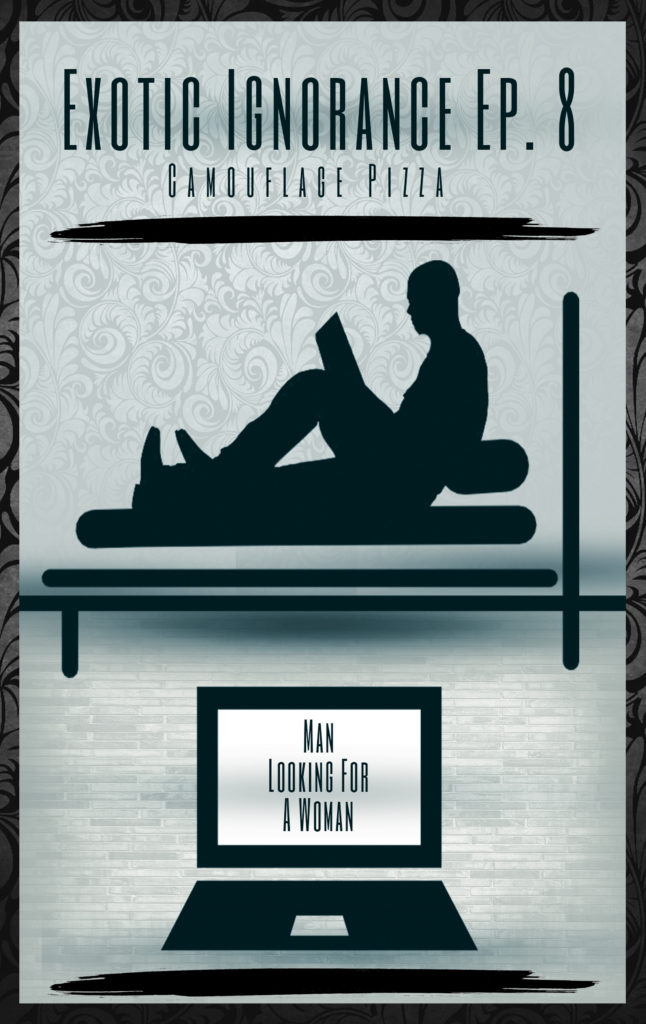
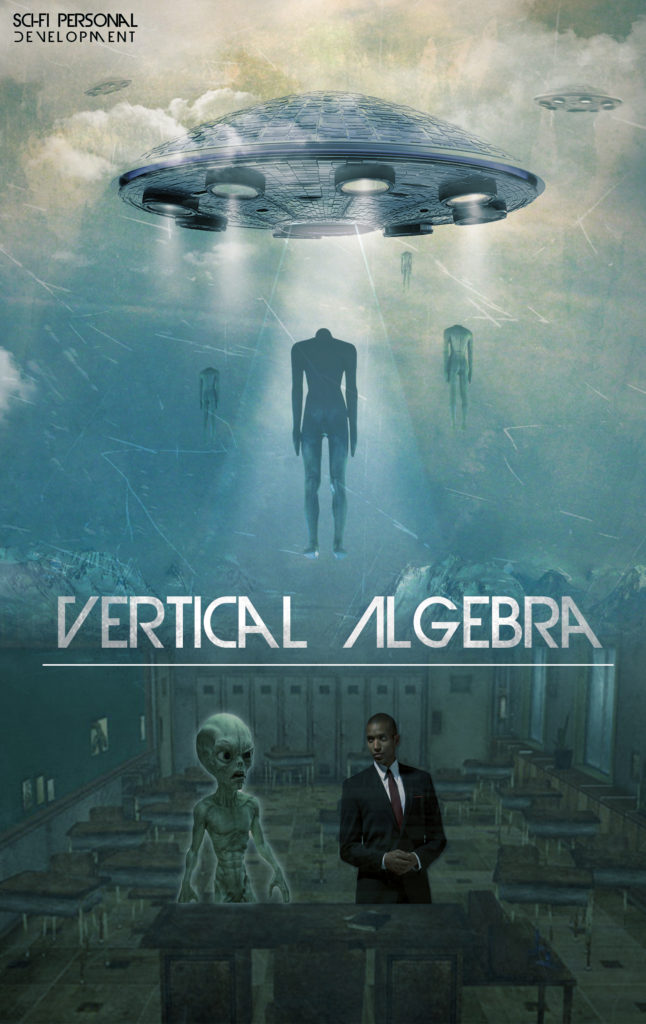
IndieView with Mansu Edwards, author of Exotic Ignorance and Vertical Algebra

Nas, Big L and Iceberg Slim taught me how to develop better stories. How to visualize the scene and create interesting character dialogue. Rakim and Inspektah Deck are teaching me to use clever and innovative wordplay with my books. 

Mansu Edwards – 18 February 2017

The Back Flap

Exotic Ignorance

A dating ad sparks a revolution in the streets and online.

Vertical Algebra

Motivational quotes from Englishman, Sir Kedcuv Rhinclavu IV translated by a Crater Rock Alien and Mansu Edwards. Also, includes an Alien Pronunciation Boot Index Section to comprehend unique extra terrestrial terms.

About the book

What is the book about?

The 1st book is Exotic Ignorance Ep. 8 Camouflage Pizza It’s about an online personal forum whose users engage in deception, lust and betrayal to achieve specific aims.

The 2nd book Vertical Algebra is inspirational quotes from a Black Englishman translated by me and a Crater Rock Alien from Mars. It includes a pronunciation dictionary to have a better understanding of extraterrestrial terms. The second half includes a bonus book entitled Pierre La Fluent’s Dictionary. It’s my own personal colloquialisms containing sentences to enhance the reader’s experience.

When did you start writing the book?

I started writing Exotic Ignorance in 2015. I wrote Vertical Algebra around 2013 and Pierre La Fluent’s Dictionary around 2014 or 2015.

How long did it take you to write it?

Exotic Ignorance took a year. Vertical Algebra took 3 years. V.A. began as an Ebook, but, then I decided to reformat it and add Pierre La Fluent’s Dictionary to it. Pierre La Fluent’s Dictionary took a year to write.

Where did you get the idea from?

Exotic Ignorance came from perusing and engaging in forums and personal websites. Lol, it’s funny I just told my Barber that I didn’t remember how I thought of the idea for Vertical Algebra. Back in the day, I always used to think of new slang terms when I hung out with my friends. This was maybe 10 years ago. Then, in 2015, I was thinking about a book of my own personal slang. I wanted to do something different than my last book. This year I added sentences to the project so people know how to utilize the words in a sentence.

Were there any parts of the book where you struggled?

Formatting issues. Juggling with multiple endings for Exotic Ignorance.

What came easily?

Slang for Pierre La Fluent and the users conversation in Exotic Ignorance.

Are your characters entirely fictitious or have you borrowed from real world people you know?

Fictitious and real world.

We all know how important it is for writers to read. Are there any particular authors that have influenced how you write and, if so, how have they influenced you?

Wow, great question. I do my best to have my own writing style. I like being original. Authors I respect and push me towards greatness are Nas, Big L, John H. Johnson (Founder of Ebony And Jet), Iceberg Slim, Robert Greene, Rakim, Inspektah Deck, Karen Horney. As you can see it’s a mixture of rappers and authors. Nas, Big L and Iceberg Slim taught me how to develop better stories. How to visualize the scene and create interesting character dialogue. Rakim and Inspektah Deck are teaching me to use clever and innovative wordplay with my books. Robert Greene and Karen Horney helped me to delve into the protagonist and antagonist’s psyche.

Do you have a target reader?

My target reader are those people from 18-35 years old.

About Writing

Do you have a writing process? If so can you please describe it?

Not really. I just hear the words in my head. Or I jot them in a notebook, type it into my phone or labtop.

Do you outline? If so, do you do so extensively or just chapter headings and a couple of sentences?

I don’t outline. I write and see if it’s suitable for public consumption.

Do you edit as you go or wait until you’ve finished?

I do both, but, I try not to edit too much because it can lead to perfectionism. Also, it can lead to not finishing the project if I’m obsessed with editing.

Did you hire a professional editor?

Sometimes.

Do you listen to music while you write? If yes, what gets the fingers tapping?

I mainly write in silence. I did listen to some music while writing the 1st edition of Texting In New York City because I wanted something to push me to be more creative. So, I listened to edm, house and some electronic music.

About Publishing

Did you submit your work to Agents?

No.

What made you decide to go Indie, whether self-publishing or with an indie publisher? Was it a particular event or a gradual process? I

decided to go Indie because I like having control over my work. I want to be creative and innovative. I don’t want anyone to dictate what I write.

Did you get your book cover professionally done or did you do it yourself?

It was professionally done.

Do you have a marketing plan for the book or are you just winging it?

I’m strategizing and throwing around some ideas.

Any advice that you would like to give to other newbies considering becoming Indie authors?

I’m not a newbie, but, I suggest that writers believe in what they’re writing. Always take risks and write as much as possible. So you don’t stress yourself over sales.

About You

Where did you grow up?

I grew up in Brooklyn.

What would you like readers to know about you? I

like Photography, working out, going out to eat and checking different events in the city when I have time. I directed/wrote and produced my first short film, Texting In New York City which is based on my book under the same name.

End of Interview:

For more from Mansu, follow him on Twitter or like his Facebook page.

Get your copy of Exotic Ignorance from Amazon US or Amazon UK.

Get your copy of Vertical Algebra from Amazon US or Amazon UK.
 

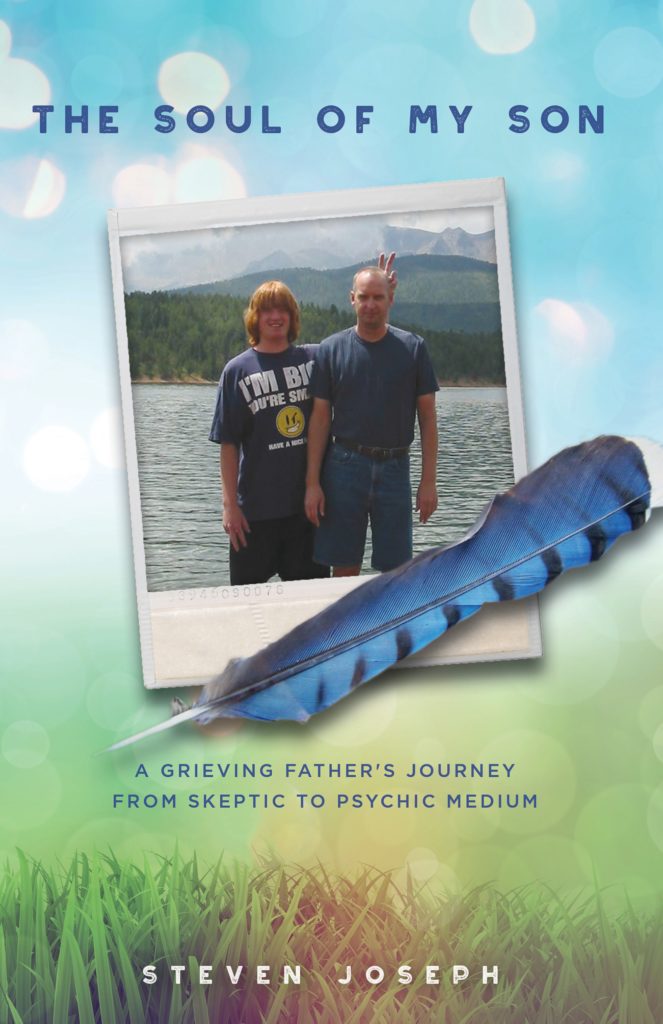
IndieView with Steven Joseph, author of The Soul of My Son

My primary target readers are parents of loss and those who are struggling with their grieving process. I believe the nature of my story appeals to many outside that group.

Steven Joseph – 16 February 2017 Continue reading

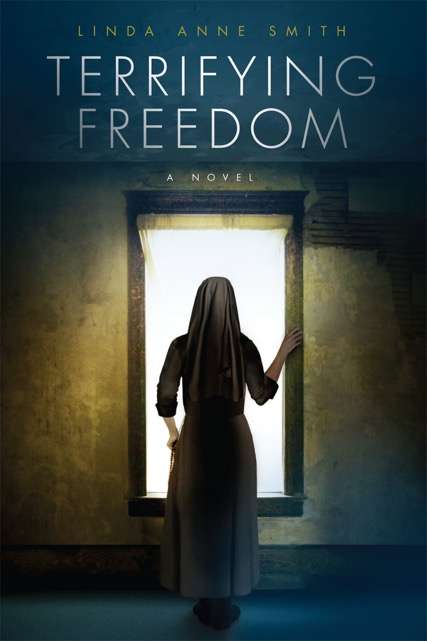
IndieView with Linda Anne Smith, author of Terrifying Freedom

I hit a crossroads where I had to decide whether to wrap up the novel quickly or delve deeper into the lives of the characters. I decided to dive in.

Linda Anne Smith – 9 February 2017 Continue reading

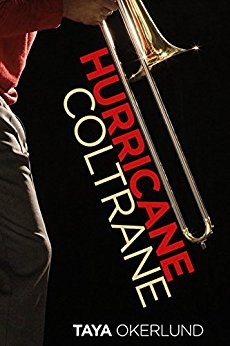
IndieView with Taya Okerlund, author of Hurricane Coltrane

I find this also to be true: if an author is too cavalier—too carelessly daring with the truth —I find myself feeling insulted. I’ve lived life too—not only read it. I know honesty when I see it.

Taya Okerlund – 6 February 2017 Continue reading

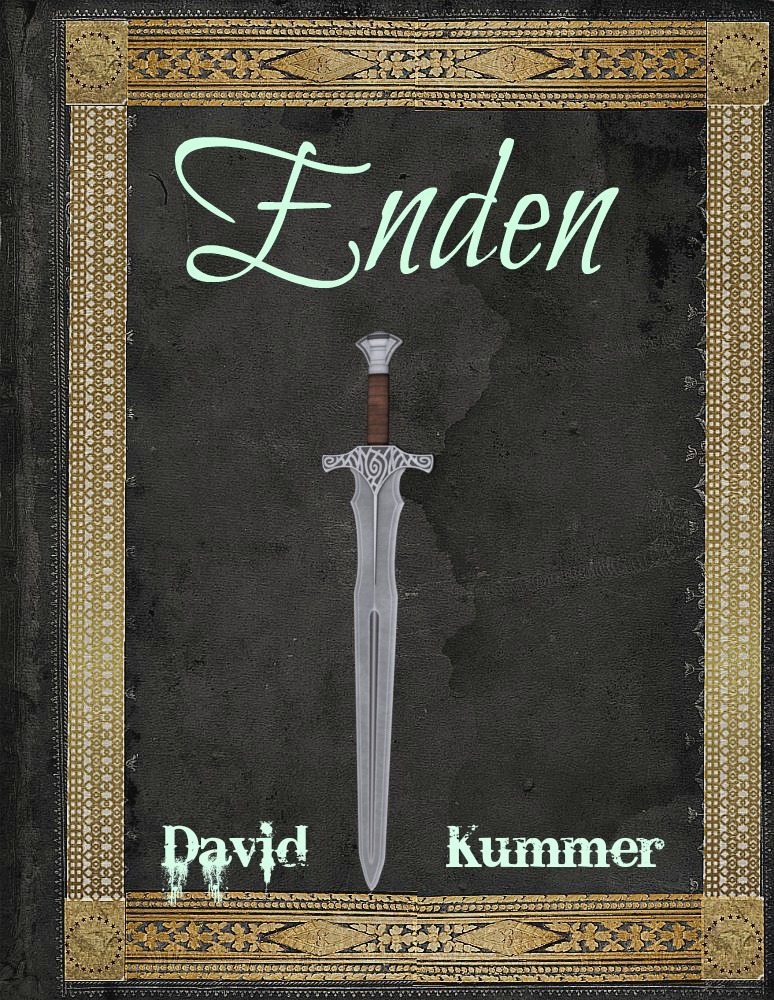
IndieView with David Kummer, author of Enden

The best part of it all is that you get to write what you want to. There’s no limits.

David Kummer – 2 February 2017 Continue reading

IndieView with Marie Wells Coutu, author of The Secret Heart

While men tell me they enjoy my books, too, what I write is called women’s fiction because the main characters are women who have messed up (haven’t we all?), and I want to show them finding a way to move past their history into a beautiful future.

Marie Wells Coutu – 30 January 2017 Continue reading

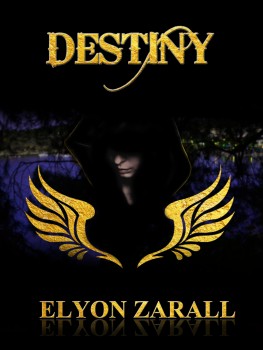
IndieView with Elyon Zarall, author of Destiny

She is a strong heroine that gets thrown in the middle of all the drama between angels and demons, she rediscovers herself and she will stand alone in the face of danger. 

Elyon Zarall – 23 January 2017 Continue reading

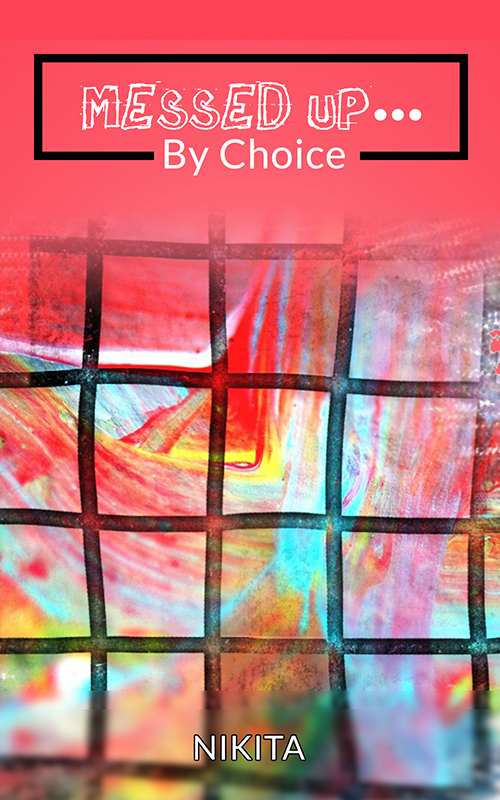
IndieView with Nikita, author of Messed Up … By Choice

I was living the complete story in my mind. I could actually visualise her doing things, making friends, traveling, fighting the world as if I was watching a Bollywood movie. 

Nikita – 19 January 2017

The Back Flap

Isha has a fearless and free-spirited personality. She is an observer, believes in self-talking ritual and speaks her mind all time. Her parents’ faith and blind trust in her, pushed this attitude to endeavor the unknown territories of human existence. She was living a satisfied and protected life in a small town in India, until one day when she had to move out to pursue higher studies. And then, she was on her own. Eventually, her experimental approach towards unfolding the events of life resulted in – bumpy academic goals, twisted career expectations, and failed relationship(s). She messed up everything. Why? What went wrong with her decision-making skills? Did she come back on track? What happened next is a vicious circle of Karmas…

About the book

What is the book about?

It’s a fiction. It’s a story of a girl, named Isha who goes through a lot of twists and turns in the journey called life. She moved like a stream of water to reach the destination known as self satisfaction. In short, she lived with the flow and stayed happy forever.

When did you start writing the book?

I began writing the book in the beginning of April. I had left my job and was summoned to bed rest due to ligament rupture of the knee. So I was left with nothing to do physically. Then the stories started revolving in my mind and hence this book, Messed Up… By Choice.

How long did it take you to write it?

I took almost five months to write the book. Initially, whenever I felt to write, I did it. Ultimately, I had a pile of unlimited stories. Then I decided to string the stories together and give a novel shape. However, neither did I follow a timetable while writing, nor did I push myself with a deadline. Creative mind works in the free zone!

Where did you get the idea from?

While being the teacher in one of the premier MBA institutes, I explored my skills of observing surroundings with unconventional viewpoint, self reflection and love for writing. It seems that being a girl from small town to a city girl, living with several paying guests, always taking chances in life and fearlessness to explore new has made my perspective towards life quite holistic in nature, which is evident in my story too. I have adopted to publish a book in a way to make my voice heard and to influence people’s thoughts, outlook, and response towards the mirage like the harshness of life.

Were there any parts of the book where you struggled?

I would define the struggle as a minor phase where you have entered a new genre and have no idea what to do next. After observing the surroundings a while, that phase vanishes. I struggled with the language part. I had the whole story running in front of my eyes, but when it came to writing down the scene, the charm was getting lost. I was trying to make my words look polished and poised. This led to disinterest in writing. Finally, I took a decision to write down that scene in its most raw form and then during the final editing, I kept the soul of the story intact by just altering the tenses and vocabulary.

What came easily?

The imagination, the story that Isha wanted to convey. This was because I was living the complete story in my mind. I could actually visualise her doing things, making friends, traveling, fighting the world as if I was watching a Bollywood movie.

Are your characters entirely fictitious or have you borrowed from real world people you know?

Both. The names are borrowed from Bollywood actors/actresses real names or the characters they have played in the movie. As well as each story begins with the real incident’s narration, but later on gets into a fictitious script.

We all know how important it is for writers to read. Are there any particular authors that have influenced how you write and, if so, how have they influenced you?

I am an avid reader of fiction, biographies, self help books and books related to education such as GRIT, Learning Landscape. Paulo Coelho has helped me to believe in spirituality, omens, and Howard Gardner taught me how to identify children’s multiple intelligences and nurture them. Along with this, Indian writers such as Chetan Bhagat, Twinkle Khanna, and Rashmi Bansal have influenced my writing pattern, i.e. to write in a simple language so that everybody can visualize, understand, and reflect on the message to be conveyed.

Do you have a target reader?

The story would appeal to people of 16-40 yrs; the one who likes to read a book with multiple themes in the form of short stories; the one who reads books that are written in simple language using a plain tone, yet demonstrating a strong viewpoint;  the one who loves Bollywood movie type stories, the one who wants to begin a habit of reading books.

About Writing

Do you have a writing process? If so, can you please describe it?

Observe surrounding, reflect upon it, bring out the positive and inspiring elements from the surroundings, talk about it with other people to get the differed perspectives, shape it in a story form and write it down.

Do you outline? If so, do you do so extensively or just chapter headings and a couple of sentences?

I keep a journal with me all the time. This journal is a file on the cloud which is accessible from all my gadgets. I write down the chapter titles, any incident (not the full story, but the gist) that I feel I would take that into my book and anything else, which clicks in the mind at any moment. Then, whenever I sit down to write the book, I articulate the incident in proper format.

Do you edit as you go or wait until you’ve finished?

As I mentioned earlier, first I write the story in its raw form. As I finish one chapter/theme/topic, I leave it as it is and move on to the next chapter. After writing down on one or two more topics, I revisit the previous chapter and edit it twice. In this way, there is a break between writing and editing. Hence, this saves from monotony while being attached to your book continuously.

Did you hire a professional editor?

Nope, I did not hire any professional editor. I did basic editing using Ginger and Grammarly.

Do you listen to music while you write? If yes, what gets the fingers tapping?

Nope. While writing, I visualize the whole story so there is nothing else which I do.

About Publishing

Did you submit your work to Agents?

No

What made you decide to go Indie, whether self-publishing or with an indie publisher? Was it a particular event or a gradual process?

I had sent my sample chapters to various traditional publishers and waited for 4 months to get at least an acknowledgement which I did not receive any. Then the concept of self publishing caught my attention while surfing the net. I found this handy when one really wants her story to be told worldwide.

Did you get your book cover professionally done or did you do it yourself?

I had selected the main image for the book cover from Pixabay and then the self publishing agency, Educreation Publishing (New Delhi, India) designed it.

Do you have a marketing plan for the book or are you just winging it?

I am focusing on getting book reviews on Amazon, Goodreads and FB page. I have already started a Giveaway on Goodreads. Then there is a radio interview scheduled. Along with this, two rounds of promotion via Facebook marketing are done and more are planned.

Any advice that you would like to give to other newbies considering becoming Indie authors?

Advice: Writing is a tool of revolution. Use it wisely. Your words would influence the readers in one or the other way. Just think upon the purpose of writing and message you want to deliver. And at the end: Just write it down anyway!

About You

Where did you grow up?

I grew up in Abu Road, a small town near Mount Abu, Rajastan, India.

Where do you live now?

Same as above.

What would you like readers to know about you?

  • I like to listen. I like to observe. I like to discuss. I like to talk.

  • I love asymmetry. It is creative and beautiful.

What are you working on now?

I am a research scholar, pursuing my Ph.D. in management. My area of research is school education.

End of Interview:

For more from Nikita, visit her blog or like her Facebook page.

Get your copy of Messed Up … By Choice from Amazon US or Amazon UK.