Category Archives: Indieview author

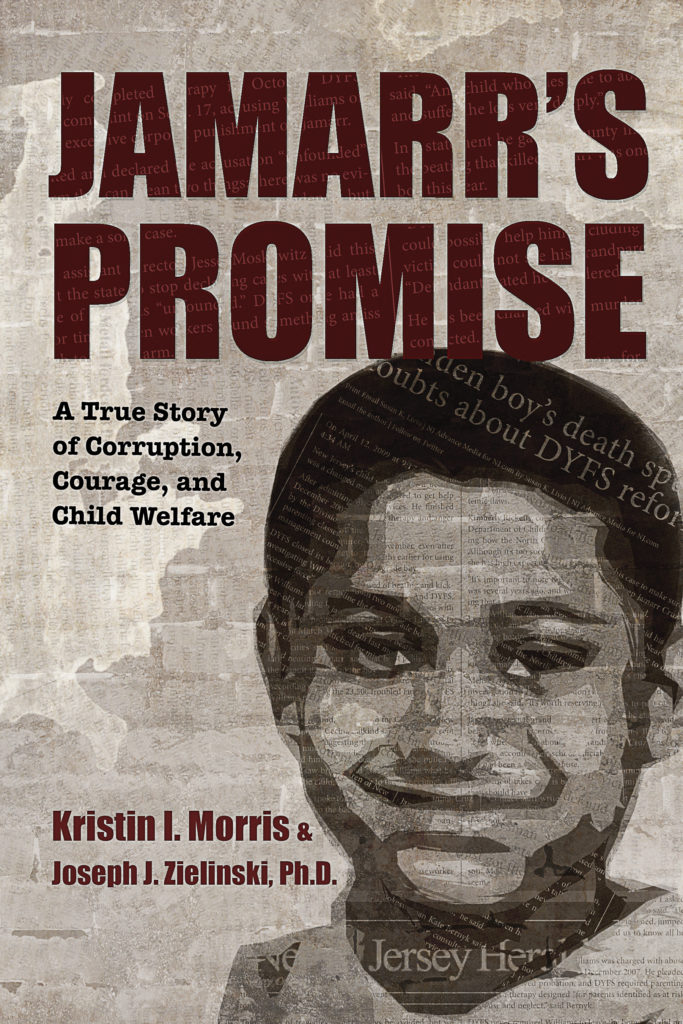
IndieView with Kristin I. Morris and Joseph J Zielinski, Ph.D., authors of Jamarr’s Promise

As I continued therapy through this journey, I continually said, “this should be a book.” I know that I can’t be their only victim, and writing a book could help another caseworker in my situation. 

Kristin I. Morris – 7 September 2017 Continue reading

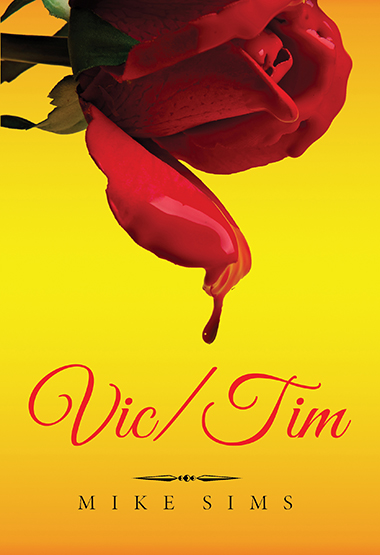
IndieView with Mike Sims, author of Vic/Tim

I have been told by some that some of the events that happen in the book are too ridiculous and do not happen in real life. The funny thing is the ones they talk about were the ones that did come from real life.

Mike Sims – 5 September 2017 Continue reading

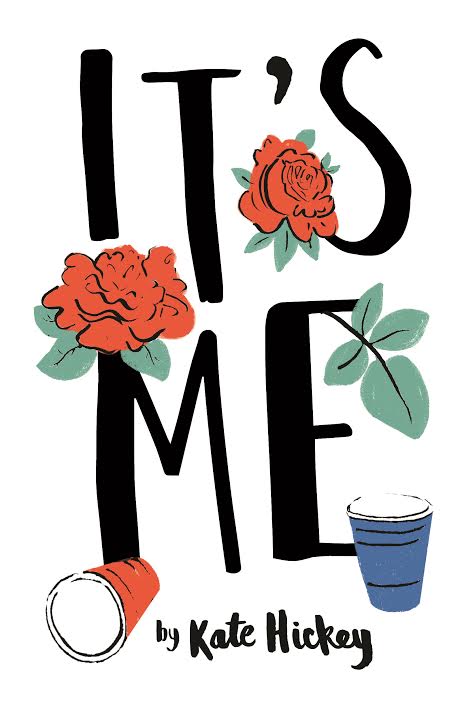
IndieView with Kate Hickey, author of It’s Me

I wanted to be one of those writers, typing away in the morning at a coffee shop. But that’s not me. I can only write at night from my home office.

Kate Hickey – 2 September 2017 Continue reading

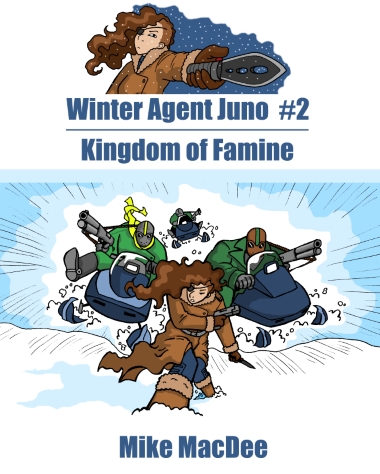
IndieView with Mike MacDee, author of Kingdom of Famine

And sometimes you write a good villain and aren’t sure how to send her off. Good bad guys need to have equally good sendoffs or it’s anticlimactic. I lost track of how many times I rewrote the ending.

Mike MacDee – 31 August 2017 Continue reading

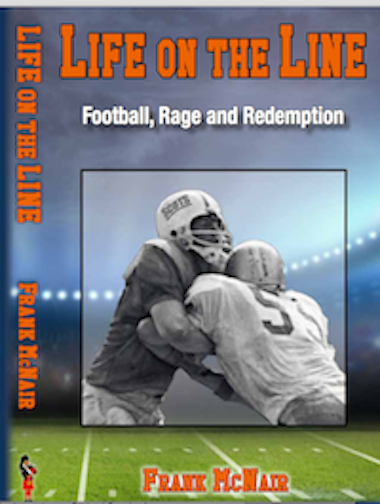
IndieView with Frank McNair, author of Life on the Line

My agent retired and I am a 65-year-old man with a first novel. Given the state of publishing today, I was never going to find an agent.

Frank McNair – 28 August 2017 Continue reading

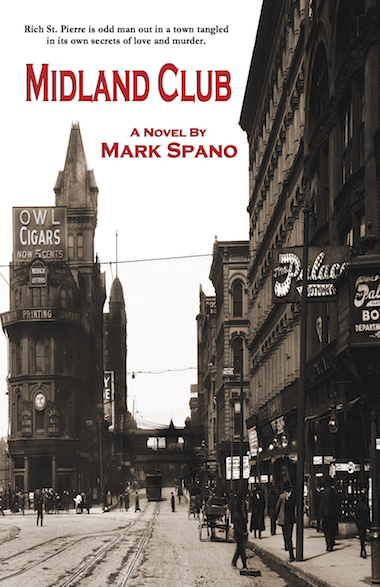
IndieView with Mark Spano, author of Midland Club

My maternal grandfather was a stone mason. He was given to arranging then rearranging the stones many times before he mortared them. I guess I take after my grandfather. I do a lot of repositioning until it feels right. 

Mark Spano – 24 August 2017

The Back Flap

Midland Club is a knotted, engrossing tale of corruption, lies, and murder in a Midwestern town. One man refuses to believe Puce Bordeaux’s death was suicide, despite Sheriff Brundy’s assertion. That man is Rich St. Pierre, a member of the wealthy, white, First Family of the town who was locked up, along with Puce, after a raid on a dive where the town’s otherwise hidden homosexuals hung out. He’s certain that Puce, the quiet, gentile “Negro” who served as a waiter in the exclusive Midland Club for decades, was killed. He’s certain that the subsequent death of Puce’s priest, Monsignor Corliss, was also murder. Ostracized since the raid by his influential family, Rich also knows that his own life will be in grave danger if he attempts to prove his assumptions by unraveling one of the town’s most scandalous secrets – a secret that will embarrass and humiliate one of the most corrupt and powerful men in the town.

About the book

What is the book about?

This is a murder mystery that takes place in Kansas City, Missouri, in 1959.

When did you start writing the book?

I wrote the book in 1980.

How long did it take you to write it?

It took approximately a year to write. I worked through it with my writers’ group.

Where did you get the idea?

My childhood.

Were there any parts of the book where you struggled?

I’m a perfectionist when it comes to diction. I did many rewrites.

What came easily?

The characters.

Are your characters entirely fictitious or have you borrowed from real world people you know?

That’s hard to say. The characters are my inventions, but they are certainly made in part from people I’ve known.

We all know how important it is for writers to read. Are there any particular authors that have influenced how you write and, if so, how have they influenced you?

I would say Christopher Isherwood has influenced my diction. His prose is flawless. Other writers I love include Eudora Welty, Italo Calvino, Marcel Proust, Tennessee Williams, Samuel Beckett, Edward Albee, Virginia Woolf, and so many others.

Do you have a target reader?

I guess I have targeted an adult reader. I write about some gay characters, but my characters and stories are about people responding to life. Setting is very important to me. I have a very strong sense of place.

About Writing

Do you have a writing process? If so, please describe it?

This is what I usually do, but these are not hard-and-fast rules for me:

I take notes for a long while. Another writer friend calls this “percolation.” I think a lot about characters, conflicts, settings, and so on. Every now and then, I write a conversation between characters. I could hold those notes for months or years.

Then, I set to writing. My maternal grandfather was a stone mason. He was given to arranging then rearranging the stones many times before he mortared them. I guess I take after my grandfather. I do a lot of repositioning until it feels right.

Do you outline? If so, do you do so extensively or just chapter headings and a couple of sentences?

I outline after a fashion. I have an idea about chapters sometimes, for example, that I write down in some order, but that order changes and changes.

Do you edit as you go or wait until you’ve finished?

In the early stages I edit as I go. The first pages of a book are an acorn, so to speak. Once that acorn is formed, the oak tree grows from it. I spend a great deal of time at the front end of the project. Once it’s formed, it begins to write itself. That may sound easier than it actually is in terms of work, but there is no question that once I get the acorn part I can hammer out the rest day by day.

Did you hire a professional editor?

I am no longer in any official writers’ workshop, but I am lucky enough to have several writer friends. We read each other’s work, and each edits his or her own work based on suggestions.

Do you listen to music while you write? If yes, what gets the fingers tapping?

I do. Music often figures in my stories. I listen to the music that is related to the story, but not always. Sometimes, I just listen to music I like.

About Publishing

Did you submit your work to Agents?

When I first wrote the book it got a lot of attention from agents and publishers, then nothing happened. It went into a drawer.

What made you decide to go Indie, whether self-publishing or with an indie publisher? Was it a particular event or a gradual process?

With Midland Club, it was a very particular event. A friend who had read the book back in 1980 when I first wrote it asked if I had a manuscript. He said he hadn’t read the book for a while and wanted to read it again. A month later, he sent it back to me in a format for publication and demanded that I publish it!

Did you get your book cover professionally done or did you do it yourself?

It was a collaboration with colleagues and a designer.

Do you have a marketing plan for the book or are you just winging it?

I work with a publicist. She keeps me on task with the marketing plan.

Any advice that you would like to give to other newbies considering becoming Indie authors?

I write because I love to write. So I have many unpublished manuscripts. But like me, you will write if you must. The publishing part has changed greatly since I first began writing. Nonetheless, I just stay at it – whether or not it will ever contribute to my income.

About You

Where did you grow up?

I grew up in downtown Kansas City, Missouri. I describe the inner city neighborhood of my childhood  in Midland Club.

Where do you live now?

I live on 11 acres in rural Orange County, North Carolina, near Chapel Hill.

What would you like readers to know about you?

I don’t especially feel that the particulars of my life are the focus here. If one writes, and I write, one wants others to read what one has written. So I guess I want readers to know that I am grateful that they are interested enough to read my books. I hope they enjoy them and love them as much in the reading as I have in the writing.

What are you working on now?

My publicist and colleagues are insistent that I write another story about Rich St. Pierre, the protagonist of Midland Club. So I’ve begun another mystery story with Rich set in Kansas City in the summer of 1963.

“The older I get, the more clearly I remember things that never happened.” — Mark Twain

End of Interview:

For more from Mark, visit his website or like his Facebook page.

Get your copy of Midland Club from Amazon US or Amazon UK.

 

IndieView with Ka Sefika, author of The Little Virgin Whore

Life treats everyone differently. You overcome anything as long as you have no fear and you persevere.

Ka Sefika – 15 August 2017

The Back Flap

Excited and anxious Seren is about to graduate from college and finally face real life, which did not treat her right in the past. She returns home since she cannot get a job in Smyrna after her graduation due to financial recession in the country. Her father throws Seren out of his house on the day she arrives. She leaves his house with little money and follows the footsteps of her rebellious hopes.

They take her to 75 years old Uncle Alp, whom she met in a nursing home while training as a psychiatric nurse. She knocks on his door in search of a father she has never had. Uncle Alp decides to end 40 years of his loneliness and accommodates her in his old abandoned flat in Karsiyaka. However much he tries to approach Seren in a fatherly manner, he falls in love with her. Men in neighborhood want to take advantage of Seren’s vulnerability while stigmatizing her as a whore for living in Uncle Alp’s house. One night the grocery guy Mohammed breaks into Seren’s flat and attempts to rape her. Will Seren take revenge when Muhammed becomes her patient only a few months later?

The Little Virgin Whore is the story of a Zaza Girl, who rises from nothingness to greatness.

About the book

What is the book about?

Book is about misogyny, power and poverty.  

When did you start writing the book?

Like Arthur Miller once said, I might have begun years ago, but I sat down and wrote in September 2016.

How long did it take you to write it?

It took me three months.

Where did you get the idea from?

Idea came to me when I returned to Smyrna 10 years after overcoming my struggles and post-traumatic stress which I did not even know that I had.

Were there any parts of the book where you struggled?

Yes. It was not easy to write about rape but remembering possibility of taking revenge from bad guys in the end made it a little easy.

What came easily?

Dialogues.

Are your characters entirely fictitious or have you borrowed from real world people you know?

Mixture of both.

We all know how important it is for writers to read. Are there any particular authors that have influenced how you write and, if so, how have they influenced you?

I think I am addicted to Dostoyevsky and Tolstoy. And of course Toni Morrison.

Do you have a target reader?

Anyone with a sensitive heart can be my reader.

About Writing

Do you have a writing process? If so can you please describe it?

Restless thought process comes first. I was unable to recognize it since it has its own timing. I began recognizing it only after my third novel. When everything becomes clear in my mind I sit down and outline the book. And finally I write it.

Do you outline? If so, do you do so extensively or just chapter headings and a couple of sentences?

Yes, I do just to make it easy for myself to focus. I write chapters and what happens in each chapter.

Do you edit as you go or wait until you’ve finished?

No, that kills all the excitement of writing. I write and I write loudly with bleeding passion first. I am usually in tears when I put the last full stop of my books. It is hard for me to go back and feel the same pain as I edit, so I wait at least for a few months. If I still don’t dare, then I send the first draft to my editor.

Did you hire a professional editor?

Yes and she is cool.

Do you listen to music while you write? If yes, what gets the fingers tapping?

Yes, epic music with no lyrics.

About Publishing

Did you submit your work to Agents?

Only once after self-publishing my book. That was when I did not know what to do in the ocean of publishing business all alone.

What made you decide to go Indie, whether self-publishing or with an indie publisher?

I never liked the idea of trying to impress any publisher who has no talent or passion for writing but money and power to keep the gate. Otherwise I would have written my novels years ago.

Was it a particular event or a gradual process?

Gradual process.

Did you get your book cover professionally done or did you do it yourself?

I did it myself when I first published my book but that was not a good idea. I was unable to take care of anything including myself but writing second, third and fourth volume of The Little Virgin Whore so I did not really make effort to perfect my cover for a year.

Do you have a marketing plan for the book or are you just winging it?

I am still learning marketing before hiring professional digital marketer or consulting one. How else can I know who knows what and how much or whether they are really professional.

Any advice that you would like to give to other newbies considering becoming Indie authors?

Life treats everyone differently. You overcome anything as long as you have no fear and you persevere. Just go for it if that is what your heart tells you to do.

End of Interview:

For more from Ka, visit her website, like her Facebook page, or follow her on Twitter.

Get your copy of The Little Virgin Whore from Amazon US or Amazon UK.
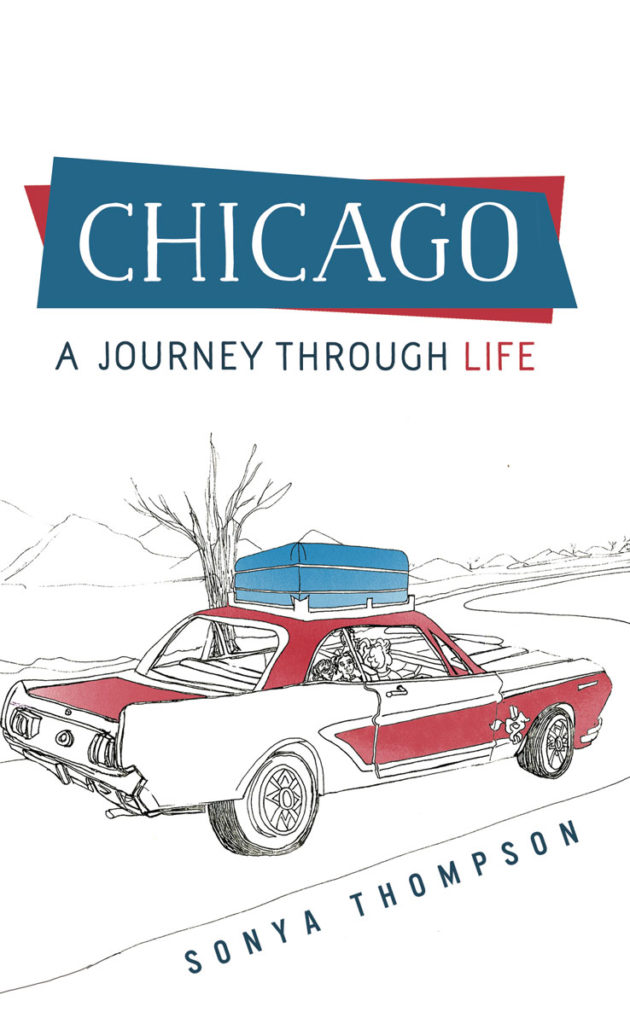
IndieView with Sonya Thomspon, author of Chicago: A Journey Through Life

One morning during a prayer meeting, my pastor received a word of knowledge and asked me did I write. I told him I was keeping a journal about past experiences when I saw God’s protection over my life. My pastor admonished me to have the stories published in book form.

Sonya Thomson – 12 August 2017

The Back Flap

Chicago: A Journey through Life is an entertaining collection of short stories based on true life events. Readers will be inspired and encouraged to exercise their faith in God, and will find various situations which have some relevance to their own personal lives as well. The story begins with a four-year-old little girl from a military family, and is centered around her experiences playing with her friends. Readers will travel with the main character through stages of life and experience the laughter, pain, and shocking situations of a teenager, young adult in college, a soldier in combat training, and professional in the educational and financial services arenas. Through it all, God’s grace is sufficient, and He continually proves Himself strong on her behalf. The book also includes a couple of thought-provoking stories about social issues such as the Vietnam War and segregation in the South in the 1960s. Though intense in some chapters, Chicago: A Journey through Life is a great book to sit down and relax with after a long day.

About the book

What is the book about? 

Chicago: A Journey Through Life is an entertaining, inspirational collection of short stories about personal experiences in my life where I saw the hand of God protecting me, my family, and friends. The nature of the stories varies from chapter to chapter. Some stories are light-hearted and amusing, while others discuss more serious issues, such as death, war, and segregation.

When did you start writing the book?

I wrote a few stories in the fall of 2012, and began seriously writing during the summer of 2013.

How long did it take you to write it?

I teach school full-time, so most of my writing is done during summer break. I would say active writing took about 9 to 12 months. Editing prior to submitting the book to the publisher, took several weeks to a few months.

Where did you get the idea from?

I kept a journal of inspiring thoughts from past experiences over a period of two years. One morning during a prayer meeting, my pastor received a word of knowledge and asked me did I write.  I told him I was keeping a journal about past experiences when I saw God’s protection over my life. My pastor admonished me to have the stories published in book form.

Were there any parts of the book where you struggled?

Yes. This was my first book. At times, I needed help from the editor to communicate my thoughts on paper in a fluid manner. If I encountered a mental block, I would put the writing aside and revisit it at a later time. I found the thoughts flowed more freely when I was relaxed and had the time to focus totally on the book.

What came easily?

I feel I am most creative when writing about my childhood. I really enjoy reading those stories.

Are your characters entirely fictitious or have you borrowed from real world people you know?

All of the stories are true events and all of the characters are real people; family members, friends, co-workers, etc.  The names of course have been changed.

We all know how important it is for writers to read. Are there any particular authors that have influenced how you write and, if so, how have they influenced you?

I wouldn’t say anyone has influenced how I write. As a child, I enjoyed reading books by Edgar Allen Poe and Gertrude Chandler Warner.  As an adult, one of my favorite readings is the Nora Lam story.

Do you have a target reader?

Women ages 30 or older would enjoy the book. Military personnel and educators would also relate to several of the stories.

About Writing

Do you have a writing process? If so can you please describe it?

Yes. Generally, when I receive an inspiring thought or memory about a past experience, I jot down my thoughts and form them into a story.

Do you outline? . If so, do you do so extensively or just chapter headings and a couple of sentences?

No. I have only written short stories at this time. I generally write my thoughts as they come to mind and then organize them on paper

Do you edit as you go or wait until you’ve finished?

I may do a little editing while writing, and then edit more intensively after I am finished writing.

Did you hire a professional editor

Yes.

Do you listen to music while you write? If yes, what gets the fingers tapping?

No. I like it quiet when I write.

About Publishing

Did you submit your work to Agents?

No, I did not contact an Agent. I worked with a publisher to edit and publish the book.

What made you decide to go Indie, whether self-publishing or with an indie publisher? Was it a particular event or a gradual process?

The option was presented to me by my publisher. I felt a professional review would be a viable avenue to connect with the target audience that I am looking for, and establish credibility.

Did you get your book cover professionally done or did you do it yourself?

The cover design which also illustrates the first story in the book was my idea. All of the illustrations including the cover were drawn by an art teacher and former co-worker.

Do you have a marketing plan for the book or are you just winging it?

Yes, I have a market plan for my book. I have had three book events so far, and two future events planned.

Any advice that you would like to give to other newbies considering becoming Indie authors?

Publishing a book requires hard work and dedication. Once you complete your writing, find resources to aid in sharing it with an audience that will appreciate your gift.

About You

Where did you grow up?

My father was military. I was born in New York City. From there we travelled to Europe and various US states while I was growing up. I finished high school in Augusta GA.

Where do you live now?

Atlanta GA

What would you like readers to know about you?

I love working with children and particularly children with special needs. I also love music, theater, dance, and of course reading.

What are you working on now?

I am very excited about a children’s series that I am currently working on which is based on my childhood experiences.

End of Interview:

For more from Sonya visit her website or like her Facebook page.

Get your copy of Chicago: A Journey Through Life from Amazon US or Amazon UK.


IndieView with Steven Sheiner, author of Running Still

Each day was a new adventure. I was never really sure where the story would take me, so I had the same feeling of ‘what happens next’ as I hope the readers will.

Steven Sheiner – 10 August 2017 Continue reading

IndieView with Shannon Mullen, author of See What Flowers

After finishing the first draft, I realized that the writing was more emotional, more honest, and more impactful when I put more of myself into it. So during the editing, I added bits of personal experience to add depth and emotion to the characters. 

Shannon Mullen – 3 August 2017 Continue reading